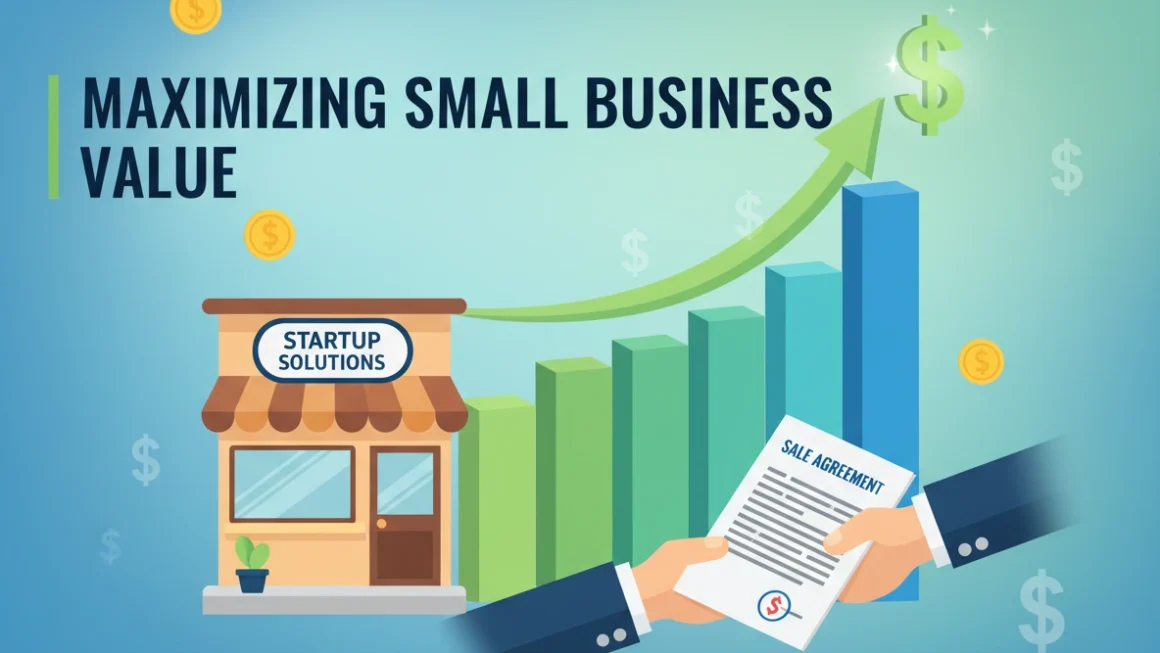
The entrepreneurial dream often centers on starting a company from scratch. We imagine the garage startup, the late nights coding, and the eventual IPO. But for many savvy investors and aspiring owners, the smarter path isn’t building from zero—it’s buying an existing, profitable operation. Conversely, for current owners, the ultimate goal is a successful exit.
However, the marketplace for small businesses is notoriously opaque. It lacks the liquidity of the stock market and the visibility of residential real estate. Finding the right buyer or the perfect business to acquire can feel like searching for a needle in a haystack while blindfolded.
This is where platforms like Bizop.org step in. By leveraging technology to bridge the gap between motivated sellers and eager buyers, Bizop.org is streamlining a traditionally clunky process. This article explores the common hurdles in the small business market and how Bizop.org provides a clearer, more efficient path forward.
The Traditional Hurdles of the Business Market
Before understanding the solution, we must look at the problem. Why is buying or selling a small business so difficult?
1. The Valuation Gap
One of the biggest friction points is valuation. Sellers often value their business based on emotional attachment, future potential, and years of sweat equity. Buyers, on the other hand, look strictly at the numbers: cash flow, assets, and liabilities. Bridging this gap requires clear data and realistic expectations, which are often missing in private transactions.
2. Lack of Visibility
If you want to sell a house, you list it on the MLS. If you want to sell a car, you have dozens of established platforms. But if you want to sell a small business, your options have historically been limited. You might hire a business broker who charges a hefty commission, or you might try to list it on obscure classified sites where serious buyers rarely look. This lack of visibility means great businesses sit on the market for years, and buyers miss out on prime opportunities.
3. Due Diligence Nightmares
For buyers, the risk is immense. Small business records are often messy. “Creative” accounting, commingled personal and business expenses, and handshake agreements with suppliers can make due diligence a nightmare. Without a structured platform to organize this information, buyers often walk away simply because they can’t get a clear picture of what they are buying.
4. Confidentiality Concerns
Unlike selling a house, you can’t put a “For Sale” sign in the window of a functioning business. If employees find out, they might leave. If competitors find out, they might poach clients. If customers find out, they might worry about stability. Maintaining confidentiality while trying to market an asset is a delicate balancing act that trips up many independent sellers.
How Bizop.org Streamlines the Transaction
Bizop.org addresses these friction points by creating a centralized, user-friendly marketplace. It functions much like a modern real estate platform but is tailored specifically for the nuances of commercial enterprise.
Centralizing the Marketplace
The primary value add is aggregation. By bringing a critical mass of listings to one location, Bizop.org creates a true market.
- For Buyers: You no longer need to scour local newspapers, niche forums, or dozens of broker websites. You can filter opportunities by industry, location, revenue, and asking price.
- For Sellers: You get immediate exposure to a pool of pre-qualified buyers who are actively looking for investments, not just tire-kickers.
Simplifying the Search with Smart Filtering
Time is the most valuable asset for any business person. Bizop.org respects this by offering advanced filtering capabilities. A buyer looking for a SaaS company with $500k ARR (Annual Recurring Revenue) doesn’t want to wade through listings for local laundromats or restaurants.
The platform allows users to drill down into specifics instantly. This targeted approach ensures that when a buyer contacts a seller, there is already a baseline level of alignment regarding the type of business and the scale of the operation.
Enhancing Transparency and Trust
While no platform can eliminate risk entirely, Bizop.org encourages transparency. Listings generally include key financial metrics upfront. This allows buyers to perform a “sanity check” before engaging. Does the asking price align with the revenue? Are the profit margins typical for this industry?
By standardizing how information is presented, the platform forces a level of discipline on the seller’s side. To list effectively, you need your numbers ready. This preparation facilitates smoother conversations down the line.
The Benefits for Sellers: Exposure and Efficiency
For a business owner looking to exit, the platform offers distinct advantages over traditional methods.
Speed to Market
Hiring a broker can take months before a listing goes live. With Bizop.org, sellers can create a listing and reach a global audience much faster. This speed is crucial for owners who may be selling due to life changes, such as retirement or relocation, where time is of the essence.
Cost Effectiveness
Traditional business brokers often charge success fees ranging from 10% to 15% of the final sale price. On a $500,000 business, that’s a $50,000 to $75,000 chunk of your equity gone. Digital marketplaces typically operate on subscription models or much lower listing fees, allowing the owner to keep more of the wealth they built.
Direct Control
Nobody knows a business better than its founder. While brokers can be helpful, they may not convey the passion or the hidden value of a company as well as the owner can. Bizop.org puts the owner in the driver’s seat, allowing them to craft the narrative and interact directly with potential buyers to gauge fit.
The Benefits for Buyers: Access and Opportunity
For those looking to acquire, the platform is a tool for deal flow.
Access to Off-Market Style Deals
Many of the sellers on Bizop.org are independent owners who have chosen not to use a broker. This means buyers can find unique opportunities that aren’t being shopped around to every private equity firm in the country. These “FSBO” (For Sale By Owner) style deals often allow for more creative deal structures, such as seller financing or earn-outs.
Comparative Analysis
Because there are numerous listings in one place, buyers can easily compare valuations. If you are looking at a plumbing business in Chicago, you can see what similar businesses are selling for in similar markets. This data is invaluable for negotiation. It moves the conversation from “I feel my business is worth X” to “The market data suggests a multiple of Y.”
Diverse Inventory
The platform hosts a wide variety of industries.
- Digital Assets: E-commerce stores, affiliate blogs, and SaaS products.
- Brick and Mortar: Retail shops, cafes, and gyms.
- Service Businesses: Marketing agencies, cleaning services, and consulting firms.
This diversity allows investors to diversify their own portfolios or find a business that perfectly matches their specific skill set.
To get the most out of Bizop.org, users should approach it strategically.
For Sellers:
- Prepare Your Books: Before listing, ensure at least two years of tax returns and P&L statements are clean and ready.
- Price Realistically: Use the platform to see what competitors are asking. An overpriced listing gets ignored; a competitively priced one starts a bidding war.
- Be Responsive: In the digital age, buyers expect quick replies. Momentum is key to closing deals.
For Buyers:
- Set Alerts: Good deals go fast. Use platform features to get notified when new businesses matching your criteria are listed.
- Verify Everything: While the platform connects you, it doesn’t replace due diligence. Always verify financial claims with bank statements and tax returns.
- Look for Potential: Sometimes a listing with poor photos or a vague description hides a gem. A poorly marketed business often means there is “low hanging fruit” for a new owner to improve immediately.
The Future of Business Acquisition
The “Silver Tsunami”—the wave of Baby Boomer business owners retiring—is currently underway. Trillions of dollars in business assets will change hands over the next decade. Platforms like Bizop.org are building the infrastructure to handle this transfer of wealth.
By democratizing access to business ownership, they are making it easier for a new generation of entrepreneurs to step into established cash flow rather than risking it all on a startup. For the economy, this is vital. It ensures that profitable small businesses don’t just close their doors when the owner retires, but instead continue to serve their communities under new leadership.
Conclusion
Buying or selling a business is a complex financial transaction, usually the largest in a person’s life. While it will never be as simple as buying a book online, it doesn’t have to be an agonizing ordeal.
Bizop.org simplifies the process by solving the fundamental problems of visibility, connection, and information organization. Whether you are an owner ready to retire or an entrepreneur ready to acquire, the platform provides the tools to navigate the market with confidence. In an industry defined by opacity, Bizop.org offers a window into opportunity.