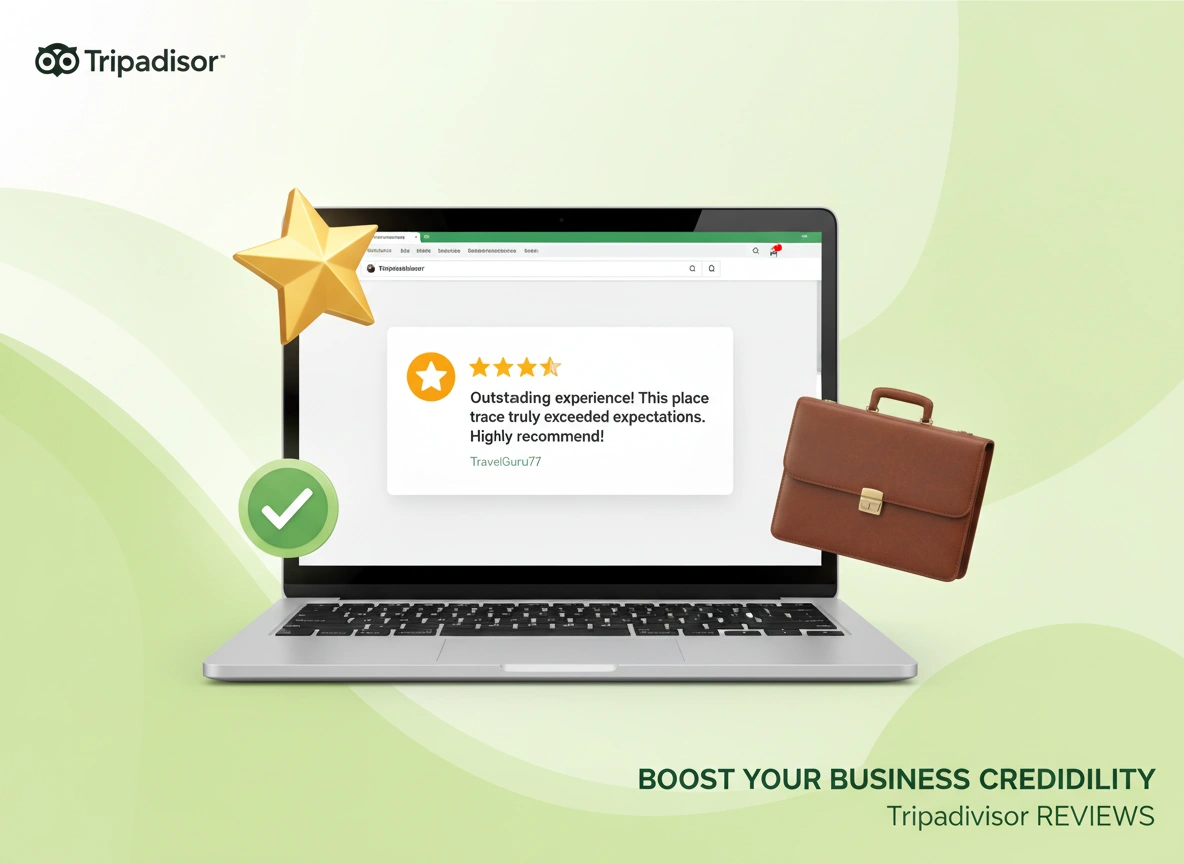
Trust is the currency of the modern marketplace. Before a customer books a table at your restaurant or reserves a room at your hotel, they likely consult the world’s largest travel guidance platform: TripAdvisor. For businesses in the hospitality and tourism sectors, a profile on this platform isn’t just a listing; it is a digital storefront that can either build an empire of trust or dismantle your reputation.
Many business owners view TripAdvisor passively, seeing it as a place where customers simply vent or praise. However, savvy operators know that it is an active tool for brand building. This article explores how you can harness the power of TripAdvisor to skyrocket your business credibility. We will cover why these reviews matter, strategies to gather more of them, the art of the perfect response, and how to turn that user-generated content into your most powerful marketing asset.
Why TripAdvisor Reviews are Non-Negotiable
Credibility is hard to earn and easy to lose. In the digital age, social proof is the primary driver of credibility. When a potential customer sees a stream of positive feedback from real people, it reduces the perceived risk of spending money with you.
The Power of Social Proof
Psychologically, we look to others to guide our decisions. If 500 people say a tour was “life-changing,” a new customer feels confident booking it. TripAdvisor facilitates this at scale. According to various travel industry studies, a significant majority of travelers will not book a property or activity without reading reviews first.
Visibility and Ranking Algorithms
It isn’t just about human psychology; it’s about algorithms. TripAdvisor’s popularity ranking is determined by the quality, recency, and quantity of reviews. A higher ranking means more visibility. When you appear in the top three for your category in your city, you aren’t just seen—you are perceived as the market leader. That perception breeds immediate credibility.
Revenue Impact
There is a direct line between your review score and your bottom line. A one-point increase in a review score can allow a business to increase its prices without losing market share. Customers are willing to pay a premium for a guaranteed good experience.
Strategies to Encourage Positive Reviews
Waiting for reviews to trickle in organically is a slow strategy. To boost credibility, you need a proactive approach to gathering feedback without being pushy.
Deliver an Exceptional Experience First
This sounds obvious, but it is the foundation. No amount of marketing wizardry can fix a bad product. Ensure your service is impeccable. Did you surprise the guest? Did you solve a problem before it escalated? Reviews are often driven by emotional peaks—either intense satisfaction or intense frustration. Aim for the former.
Ask at the Right Moment
Timing is everything. The best time to ask for a review is when the customer is happiest.
- For Hotels: Ask during checkout when the guest says they enjoyed their stay.
- For Restaurants: Ask when the dessert plates are being cleared and the diners are relaxed.
- For Tours: Ask right at the end of the activity when the adrenaline or enjoyment is fresh.
Use Visual Reminders
Subtle cues work wonders. Place TripAdvisor stickers (which they provide) on your front door or at the register. Include a “Review us on TripAdvisor” link on your Wi-Fi landing page. If you have physical receipts, print a reminder at the bottom. These visual prompts legitimize the platform as your preferred feedback channel.
Follow-Up Emails
Post-transaction emails are highly effective. Send a thank-you note a day or two after the visit. Express gratitude for their business and include a direct link to your TripAdvisor review form. Keep it short: “We loved having you! If you have a moment, please share your experience with others here.”
Train Your Staff
Your employees are your frontline brand ambassadors. Empower them to mention reviews. You can even incentivize staff by running internal competitions. For example, if a staff member is mentioned by name in a 5-star review, reward them with a small bonus or recognition. This motivates your team to deliver review-worthy service.
The Art of Responding to Reviews
Your profile is a conversation, not a monologue. How you respond to reviews tells future customers more about your professionalism than the review itself.
Responding to Positive Reviews
Many businesses ignore positive reviews, thinking their job is done. This is a mistake. Responding shows you value your customers.
- Be Specific: Don’t just copy-paste “Thanks!” Mention something specific they wrote. “We are so glad you loved the truffle pasta—it’s Chef Marco’s favorite recipe too.”
- Be Timely: Try to respond within 48 hours.
- Invite Them Back: Plant the seed for a return visit. “We can’t wait to see you next summer!”
The Crisis Management of Negative Reviews
Negative reviews hurt, but they are opportunities in disguise. A well-handled complaint can actually increase credibility because it shows you are reasonable and care about service recovery.
- Stay Calm and Professional: Never get defensive or argue. Even if the customer is wrong, arguing makes you look petty.
- Acknowledge and Apologize: validate their feelings. “I am very sorry to hear that your check-in process was slow.”
- Explain (Briefly), Don’t Excuse: If there was a legitimate reason (e.g., a power outage), state it simply without sounding like you are passing the buck.
- Take It Offline: If the issue is complex, offer a way to discuss it privately. “Please contact me directly at manager@hotelname.com so I can make this right.”
Example of a Good Response to a Negative Review:
“Dear Guest, Thank you for your feedback. I am sincerely sorry that the noise from the street disturbed your sleep. We want every guest to have a restful stay. While we cannot control city traffic, we are currently upgrading our window soundproofing. Please reach out to me directly for your next stay, and I will personally ensure you have a quiet room at the back of the property.”
This response shows empathy, explains an action plan, and offers a solution.
Leveraging Reviews in Marketing Efforts
Once you have built a repository of great reviews, don’t leave them sitting on TripAdvisor. Broadcast them.
Website Integration
Embed a TripAdvisor widget on your homepage. This acts as a live trust seal. When visitors see your 4.5 or 5-star rating immediately, bounce rates often decrease. You can also create a dedicated “Testimonials” page, but live widgets are more credible because they cannot be faked.
Social Media Content
User-generated content is gold for social media. Create graphics using quotes from your best reviews. “Best coffee in town!” looks better when attributed to “Sarah L. on Buy TripAdvisor Reviews” than when you say it yourself. Share these on Instagram, Facebook, and LinkedIn. Always thank the reviewer in the caption.
Printed Collateral
If you have brochures, menus, or flyers, include a snippet of your best reviews or your TripAdvisor rating badge. If you have won a “Travelers’ Choice” award, display that logo prominently. It is a seal of approval recognized globally.
Search Engine Optimization (SEO)
Reviews help your SEO. Fresh content on your TripAdvisor page signals to search engines that your business is active. Furthermore, keywords used by reviewers (e.g., “gluten-free options,” “romantic sunset dinner”) help associate your business with those terms in search results.
Maintaining Momentum
Building credibility is a marathon, not a sprint. A flurry of reviews in January followed by silence in February looks suspicious to algorithms and users alike. Consistency is key.
Make review management a weekly operational task. assign a specific manager to monitor and respond to feedback. Analyze the trends in your reviews. Are people consistently complaining about the AC? That is operational data you can use to improve your product.
By treating TripAdvisor not just as a feedback box, but as a strategic asset for credibility, you position your business as a trusted leader in your industry. In a world of infinite choices, trust is the ultimate competitive advantage.